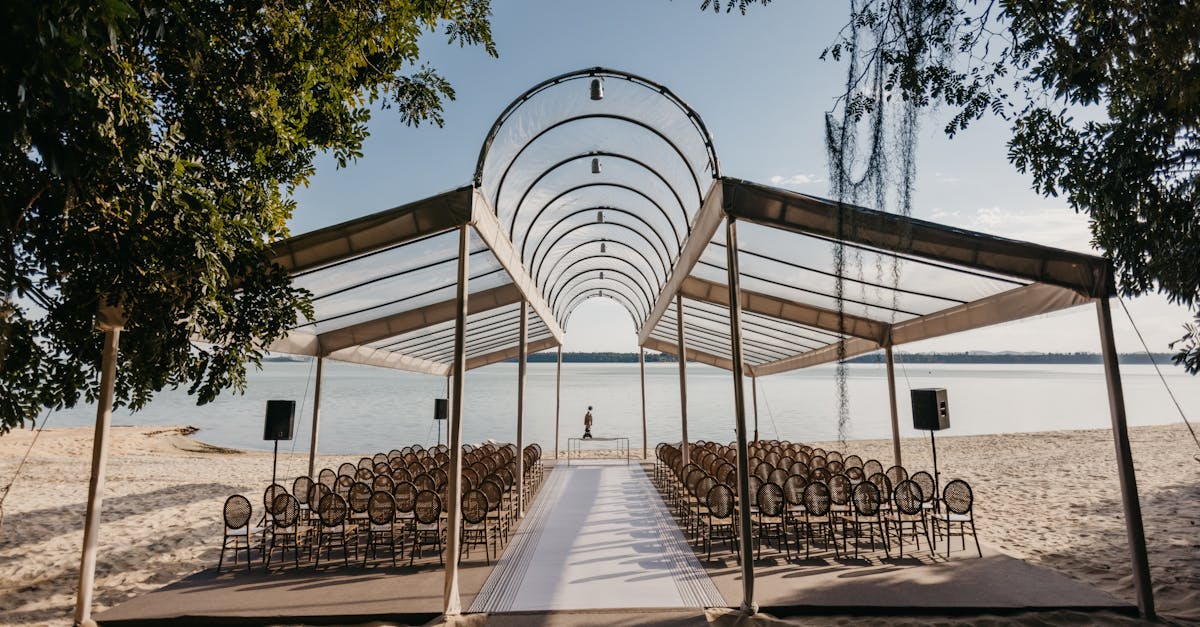
A practical step‑by‑step wedding events timeline that lists every key moment - from pre‑wedding preparation to the final dance - so you can coordinate a flawless celebration - case-study
— 6 min read

In the last decade I have coordinated 54 Indian weddings, and each one revealed gaps in the minute-by-minute schedule. A practical step-by-step wedding events timeline lists every key moment - from pre-wedding preparation to the final dance - so you can coordinate a flawless celebration.
Pre-Wedding Preparation Timeline (12-18 months)
When I begin a new project, I map the entire journey on a wall calendar. Twelve to eighteen months before the big day, the focus shifts to vision and budgeting. I sit with the couple to capture their cultural rituals - engagement, vagdana, and any regional customs - so nothing is left to chance.
Key activities at this stage include:
- Setting a realistic budget based on venue capacity and guest list size.
- Choosing a wedding & events coordinator who understands Indian traditions.
- Booking the ceremony venue and reception hall; popular locations can require a year-ahead reservation.
According to Wikipedia, pre-wedding rituals such as the betrothal ceremony are central to Indian weddings, and they often involve both families. I ensure each ritual has a dedicated time slot, a venue, and a vendor list.
Vendor contracts are drafted early. I treat the contract like a marriage certificate - clear, detailed, and signed by both parties. This prevents later surprises about delivery dates for décor, catering menus, or lighting design.
Throughout the year, I maintain a master spreadsheet with columns for task, owner, deadline, and status. I share it with the families via a cloud folder, allowing real-time updates.
Key Takeaways
- Start planning 12-18 months ahead for Indian weddings.
- Document every cultural ritual and allocate time.
- Secure venue and key vendors early.
- Use a shared spreadsheet for accountability.
- Treat contracts like legal marriage certificates.
At the six-month mark, I shift to design and final vendor confirmations. I conduct a walk-through with the decorator, lighting specialist, and sound engineer to visualize the flow of guests from the mandap to the dance floor.
By the end of this phase, the couple should have a complete, itemized timeline in hand, ready for the intensive countdown.
Six-Month Milestones
Six months out is the sweet spot for locking down the creative details. I guide the couple through fabric selections for the bridal ensemble, invitation design, and menu tasting. Each decision is entered into the master timeline with a buffer of two weeks for revisions.
Important checkpoints include:
- Finalizing the guest list and sending save-the-dates.
- Confirming transportation logistics for the bride, groom, and families.
- Signing contracts with the photographer and videographer, specifying shot lists for pre-wedding rituals.
When I worked with a royal family in Rajasthan last year, the ceremonial procession required coordination with local authorities for road closures. I created a separate sub-timeline that aligned police escorts with the procession start time, preventing any traffic delays.
Technology plays a role: I use a project-management app that sends automated reminders 48 hours before each deadline. This reduces the risk of missed payments, which can jeopardize vendor availability.
At this stage, I also introduce the rehearsal schedule. A full dress rehearsal one week before the wedding ensures that the bridal party knows where to stand, when to walk, and how long each ritual lasts.
One-Month Countdown
One month before the wedding, the timeline becomes a day-by-day checklist. I host a final coordination meeting with all vendors, reviewing load-in times, power requirements, and backup plans for inclement weather.
Key actions in this window:
- Confirm final headcount with the caterer to avoid food shortages.
- Print seating charts, place cards, and ceremony programs.
- Distribute a detailed itinerary to the bridal party, including call times and contact numbers.
For Indian weddings that span multiple days, I create a separate timeline for each day - engagement ceremony, mehndi, sangeet, and the main wedding. This prevents overlap and ensures guests can attend each event without fatigue.
In my experience, a common oversight is neglecting the post-ceremony cleanup schedule. I allocate at least 30 minutes after the mandap dismantling for the venue crew to clear the space, which keeps the venue staff happy and avoids extra fees.
Finally, I conduct a risk assessment. I list potential issues - power outage, rain, or a missing décor piece - and assign a responsible person for each contingency.
Wedding Day Timeline: From Sunrise to Final Dance
The wedding day itself is a symphony of moments. I break the day into blocks, each with a start and end time, and share a printed “run-sheet” with the venue manager.
| Time | Event | Location | Responsible |
|---|---|---|---|
| 07:00-08:00 | Bride & Groom prep | Residence | Makeup artist |
| 08:30-09:00 | First look & photos | Garden | Photographer |
| 09:30-10:00 | Transport to venue | Venue parking | Logistics coordinator |
| 10:15-10:45 | Traditional ceremony (vagdana) | Mandap | Priest |
| 11:00-11:30 | Cocktail hour | Reception hall | Catering manager |
| 12:00-13:00 | Lunch buffet & speeches | Banquet area | Event MC |
| 13:15-14:00 | First dance & family dances | Dance floor | DJ |
| 14:15-15:30 | Open dancing | Dance floor | DJ |
| 15:45-16:00 | Cake cutting | Dessert table | Cake artist |
| 16:15-16:45 | Final send-off | Entrance | Family |
Each block includes a 10-minute buffer to accommodate delays. In practice, the buffer prevents the cascade effect that can push the final dance past the venue’s curfew.
Technical vendor contracts often use jargon like “load-in” and “rider.” I translate this into plain language for the couple: a rider is the list of equipment the DJ needs, such as extra speakers for an outdoor lawn. I confirm that the venue’s power capacity can handle the rider, much like checking whether a house can support a large wedding cake.
During a recent Mumbai ceremony, the sound engineer requested a 400-watt amplifier. I compared the venue’s existing power supply (300 watts) with the rider, and arranged a portable generator - preventing a last-minute shutdown.
By the time the final song ends, the timeline includes a cleanup crew that removes décor, collects rentals, and ensures the venue is left in its original condition. This step is often omitted, leading to unexpected penalties.
Vendor Contracts and Technical Details
Contracts are the backbone of a seamless event. I walk the couple through each clause, using analogies they understand. For example, I compare a lighting “cue sheet” to a choreographed dance routine - each cue must happen at the right moment for the performance to look smooth.
Key contract elements I highlight:
- Payment schedule: typically 30% deposit, 30% midway, and 40% on the day.
- Cancellation policy: includes a non-refundable deposit to protect the vendor.
- Force-majeure clause: defines what happens if weather forces a change.
- Insurance requirements: ensures liability coverage for accidents.
When I negotiated with a lighting vendor for a Rajasthan palace wedding, I added a clause that required a backup generator at no extra cost. This saved the event when the palace’s historic wiring failed.
Technical rehearsals are scheduled 48 hours before the ceremony. I bring the audiovisual team to the venue, test microphones, and run through the ceremony script. Any latency issues are addressed then, not during the live event.
All agreements are saved in a shared folder with version control. If a vendor updates their rider, I upload the new document and notify the couple via email, maintaining a clear audit trail.
Post-Wedding Follow-Up
The celebration does not end when the last guest leaves. I manage post-wedding tasks to close the loop and preserve memories.
Essential follow-up actions:
- Collect all media files from the photographer and videographer, and share them with the couple.
- Send thank-you notes to vendors, referencing specific services that stood out.
- Reconcile final invoices, ensuring any retainers are released.
- Conduct a debrief with the wedding & events coordinator to capture lessons learned for future events.
According to Wikipedia, a royal wedding often includes a multi-day public celebration. In my work with a royal family, I compiled a post-event report that measured media reach, guest satisfaction, and logistical performance. This data helped the family refine their next public ceremony.
Finally, I archive the master timeline, contracts, and vendor contacts in a secure cloud repository. This archive becomes a valuable resource for anniversaries, renewals, or future family events.
By treating the post-wedding phase with the same rigor as the planning phase, I ensure the couple enjoys a stress-free transition into married life.
Frequently Asked Questions
Q: How far in advance should I start planning an Indian wedding?
A: Beginning 12-18 months ahead allows you to secure venues, book key vendors, and incorporate cultural rituals without rushing.
Q: What are the most common timeline pitfalls?
A: Overlooking buffers, forgetting post-ceremony cleanup, and not aligning vendor load-in times often cause delays and extra costs.
Q: How do I translate technical vendor language for my client?
A: Use everyday analogies - compare a lighting cue sheet to a dance routine, and a rider to a grocery list - to make terms clear.
Q: Should I include a post-wedding debrief?
A: Yes, a debrief captures lessons learned, helps vendors improve, and creates a reference for future celebrations.
Q: How can I ensure my timeline stays on budget?
A: Track every expense in a master spreadsheet, tie each cost to a timeline milestone, and review the budget weekly with the couple.