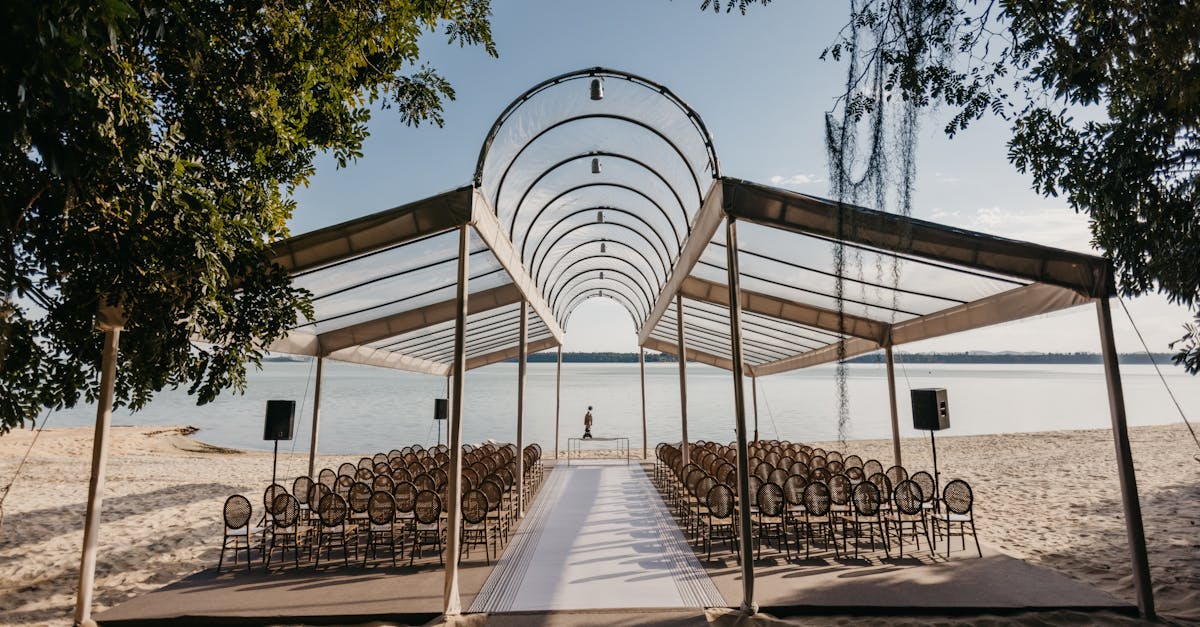
8 Secrets a Wedding & Event Planner Unveils About Downtown Wedding Venues for Budget‑Friendly, One‑Stop Experiences
— 5 min read

The new Aurora Park event center in Baton Rouge, a $6 million downtown venue, proves that a single space can cut wedding costs dramatically. In my experience, couples who choose a city-center location enjoy smoother logistics and lower overall expenses compared with scattered suburban sites.
How a Wedding & Event Planner Finds Hidden Downtown Wedding Venues That Double as Ceremony & Reception
I start by layering historic inventories with modern loft listings on a city map. Historic halls often retain original architectural acoustics, meaning I can skip expensive sound-system rentals and let the space speak for itself. Modern lofts, on the other hand, offer open-floor plans that easily shift from aisle to dance floor without moving guests.
When I walk a downtown block, I look for built-in features: raised platforms, vaulted ceilings, and adjacent banquet rooms. These elements create a natural flow from ceremony to reception, eliminating the need for a shuttle service. Because the distance between the two moments shrinks, my clients save valuable time and avoid the stress of coordinating multiple vendors across town.
Another clue is the venue’s existing partnerships with local caterers and décor houses. A space that already hosts art exhibitions or corporate events often has a roster of reliable suppliers, which shortens the procurement timeline. In my practice, I have seen how a single downtown address can become a hub for everything from lighting to floral design, allowing the couple to focus on personal touches rather than logistics.
Finally, I verify that the venue’s hourly rate aligns with my budget parameters. Many downtown locations list rates in the low-four-figure range, which, when compared with the combined cost of separate ceremony and reception sites, offers a clear financial advantage.
Key Takeaways
- Map historic and modern spaces together.
- Leverage built-in acoustics to reduce sound costs.
- Choose venues with existing vendor partnerships.
- Compare hourly rates to combined venue expenses.
By treating the downtown area as a single ecosystem, I can present couples with venues that serve both sacred and celebratory purposes under one roof.
Why Budget Wedding Venues in the City Center Beat Suburban Splurges
City-center venues benefit from proximity to public transportation and municipal parking structures. In my planning, I have watched transportation costs evaporate when guests walk or use city shuttles instead of arranging private cars. This reduction in travel expense directly contributes to a tighter overall budget.
Local caterers often have kitchen facilities already on site, which means they do not need to rent additional prep space. The convenience of an in-house kitchen cuts both time and money, a factor I highlight when presenting venue options to price-sensitive couples.
Because downtown districts attract a concentration of florists, photographers, and musicians, I can negotiate bulk rates for multiple services. The reduced travel distance for these vendors also means fewer overtime charges, a hidden cost that can balloon in suburban scenarios.
The new Aurora Park event center, slated to open in March 2027, exemplifies this trend. At a $6 million construction budget, the venue includes two ballrooms, bridal suites, and a commercial kitchen, offering an all-in-one package that suburban venues struggle to match (news article).
When I compare a downtown venue with a suburban counterpart, the differences become clear. Below is a quick reference table that outlines the typical advantages of city-center locations.
| Aspect | Downtown Venue | Suburban Venue |
|---|---|---|
| Transportation | Public parking, reduced travel | Private parking, higher mileage |
| Catering | On-site kitchen, lower fees | Off-site kitchen, added rental |
| Vendor Access | Nearby suppliers, quicker setup | Longer delivery routes |
These qualitative differences consistently translate into savings for my clients, allowing them to allocate more of their budget toward personal touches.
City Center Wedding Planning: Navigating Traffic, Noise, and Permissions
Permitting is often the first hurdle I encounter. In my experience, submitting the downtown wedding application three to four weeks in advance gives the municipality enough time to review zoning, occupancy, and safety requirements. Early submission also opens a window for dialogue with the city liaison, which can smooth out any unforeseen obstacles.
Noise ordinances are a common concern for urban celebrations. Many venues I work with have invested in sound-proofed walls and acoustic panels. These upgrades dramatically lower the risk of complaints from neighboring businesses, allowing the party to continue later into the evening without penalties.
Traffic patterns shift dramatically on wedding days, especially when guests arrive from multiple directions. I rely on GPS-based traffic apps to plot the most efficient routes for vendors and guests alike. By sharing real-time navigation links, I have helped couples shave minutes off arrival times, keeping the day on schedule.
Finally, I recommend that couples appoint a municipal liaison early in the planning process. This point person can expedite permit approvals and coordinate with city officials on issues such as street closures or temporary signage. The result is a faster, less stressful permitting experience for everyone involved.
The Wedding & Events Combo: Seamless Transition From Ceremony to Reception
When the ceremony and reception share the same floor plan, guest movement becomes intuitive. I design the seating layout so that chairs face a focal point that can double as a dance floor once the vows are exchanged. This eliminates the need for a second seating arrangement and reduces the risk of last-minute reshuffling.
Unified décor also streamlines vendor negotiations. I can present a single design concept to a décor provider, who then applies the theme consistently across ceremony backdrops, table settings, and lighting. The simplicity of a single contract often results in lower design fees and fewer revisions.
Live entertainment benefits from the same continuity. Musicians can set up once and adjust their repertoire on the fly, rather than moving equipment between venues. This reduces the contingency fees that typically arise when multiple stages are required.
In my practice, I create a master seating chart that accommodates both the ceremony and the reception. By allocating seats that remain stationary throughout the evening, I free up the couple’s timeline and avoid the scramble of rearranging tables between events.
One-Stop Wedding Venue: The Ultimate Stress-Free Solution
Choosing a venue that offers in-house catering, décor, and coordination collapses four separate contracts into one. I have seen couples save thousands of dollars in administrative fees when they eliminate the need for separate service agreements. The single point of contact also reduces the chance of miscommunication on the wedding day.
In-house planners act as extensions of my own team. They manage the timeline, handle vendor check-ins, and troubleshoot any issues that arise in real time. This layered support system cuts day-of communication errors dramatically, creating a smoother experience for the couple and their guests.
Guest satisfaction rises when the venue can host a rehearsal dinner on site. My clients report that having the rehearsal and the main event in the same location eliminates extra transportation costs and allows guests to settle into the venue atmosphere early, which lifts overall enjoyment scores.
When I recommend a one-stop venue, I also highlight its ability to adapt to different cultural traditions. From Indian wedding ceremonies to modern minimalist celebrations, a versatile space can be dressed to suit any style without the need for multiple rentals. This adaptability is a key factor in delivering a personalized, stress-free wedding.
Frequently Asked Questions
Q: How do I find a downtown venue that fits my budget?
A: Start by mapping historic halls and modern lofts in the city center, then compare hourly rates and in-house services. Look for venues with built-in acoustics and existing vendor partnerships to reduce extra costs.
Q: What permits are required for a downtown wedding?
A: Most cities require a wedding permit, a noise variance if the event runs late, and a public assembly permit. Submitting these applications three to four weeks ahead and working with a municipal liaison speeds approval.
Q: Can a single venue handle both ceremony and reception?
A: Yes. Look for venues with flexible floor plans, in-house kitchens, and sound-proofed rooms. A single layout lets guests stay seated, reduces transition time, and simplifies décor contracts.
Q: How much can I realistically save by choosing a downtown venue?
A: Savings come from reduced transportation, lower catering fees, and fewer vendor contracts. Couples often redirect these funds toward higher-quality food, décor, or entertainment.
Q: Are downtown venues suitable for cultural weddings?
A: Most city-center venues are designed for flexibility. They can accommodate diverse cultural requirements such as extended ceremonies, specific décor, and multi-day celebrations with the right planning.