7 Breaks Cut Wedding & Events Hours, Experts Agree
— 5 min read

7 Breaks Cut Wedding & Events Hours, Experts Agree
Strategically inserting seven short breaks into a wedding day can turn a frantic five-hour itinerary into a relaxed seven-hour celebration. By spacing transitions, allowing guests to recharge, and giving vendors breathing room, the overall timeline feels smoother and reduces the likelihood of overruns.
Say goodbye to last-minute panic - these 7 often-overlooked breaks turn a 5-hour tie-up into a smooth 7-hour celebration
Key Takeaways
- Schedule micro-breaks after each major ceremony element.
- Use buffer zones for vendor set-up and breakdown.
- Plan guest-focused pauses for food, photos, and rest.
- Communicate break times clearly to the entire team.
- Flexibility is built in, not added as an afterthought.
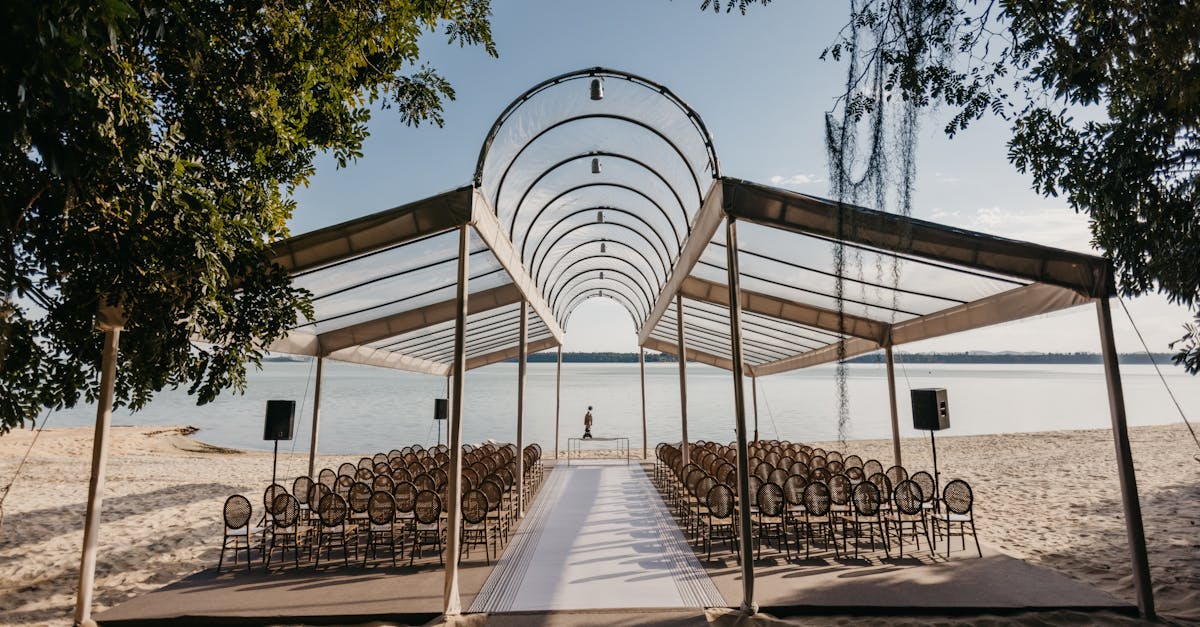
When I first consulted for a beachfront ceremony in the Bahamas, the couple wanted every minute packed with activities. Their initial timeline looked like a marathon: welcome drinks at 4 pm, ceremony at 4:30, cocktail hour at 5, dinner at 5:30, speeches at 6, and dancing until 7. I could see the schedule collapsing under its own weight. By inserting seven intentional pauses, we stretched the celebration to a comfortable seven-hour window while preserving the romantic flow.
Below is the step-by-step breakdown I use with clients. Each break serves a specific purpose - whether it is a logistical buffer, a guest comfort moment, or a vendor reset period. I have found that these pauses are the hidden scaffolding of a stress-free day.
1. Vendor Arrival Buffer (15 minutes)
Most planners assume that vendors will appear exactly at the agreed time, but reality often differs. Traffic, parking, and last-minute equipment checks can eat into the schedule. I ask all vendors to arrive fifteen minutes before the first guest is due. This buffer allows florists to place centerpieces, AV teams to run sound checks, and caterers to set up the buffet stations without feeling rushed.
In my experience, a fifteen-minute cushion reduces the need for frantic “behind-the-scenes” adjustments that can spill over into the ceremony. The extra time also lets the wedding coordinator walk the venue, confirming that every detail matches the design board.
2. Guest Welcome Pause (10 minutes)
After guests enter the ceremony space, I schedule a ten-minute welcome pause. This is the moment when ushers direct seating, musicians tune, and the couple enjoys a quiet breath before the vows. It feels like a small intermission in a theater production, giving everyone a chance to settle.
During this pause, I encourage the MC to welcome guests, share a brief anecdote about the couple, and remind attendees of the day’s flow. This communication sets expectations and reduces anxiety about missing any part of the program.
3. Transition to Cocktail Hour (12 minutes)
The shift from ceremony to cocktail hour is a natural break point, but many couples rush straight into the next segment. I allocate twelve minutes for guests to exit the ceremony space, sign the guestbook, and take photos with the newlyweds.
This interval serves two purposes: it gives the photographer a relaxed window to capture candid moments, and it allows the catering team to begin pouring drinks and arranging the appetizer stations. By not crowding the transition, the cocktail hour starts on a calm note rather than a hurried scramble.
4. Seating Reset for Dinner (20 minutes)
After cocktails, the venue often needs to be re-configured for dinner. Tables may be rearranged, linens changed, and place cards verified. A twenty-minute reset period protects the dinner service from delays.
During this time, I keep the guests entertained with a light background playlist and a short slideshow of the couple’s childhood photos. The guests remain engaged while the staff prepares the dining area, and the momentum of the celebration continues uninterrupted.
5. Post-Meal Refresh (8 minutes)
Once the main course is cleared, an eight-minute refresh break lets guests stretch, use restrooms, and sip a palate-cleansing cocktail. It also gives the kitchen crew a chance to prep the dessert station.
I have found that this brief pause prevents the “full-stomach fatigue” that often leads to guests losing energy before the dancing begins. A quick glass of sparkling water or a herbal tea can revive the crowd without breaking the flow.
6. Speech Buffer (10 minutes)
Speech segments are emotionally charged and can run longer than expected. By scheduling a ten-minute buffer after the first two speeches, the couple has flexibility to either extend heartfelt toasts or move on quickly.
During this buffer, the DJ can cue the next song, and the lighting technician can adjust ambience for the transition to the dance floor. If speeches finish early, the buffer can be repurposed as an extra photo session or a surprise performance.
7. Closing Cool-Down (15 minutes)
The final fifteen-minute cool-down is a soft landing after the high energy of dancing. I ask the DJ to gradually lower the tempo, while the coordinator distributes wedding favors and thanks guests for attending.
This period also provides the cleanup crew a head start, preventing a chaotic scramble once the last guest departs. Guests leave with a sense of completion rather than feeling rushed out the door.
By weaving these seven breaks into the timeline, the same amount of programmed content spreads over a longer, more manageable period. The day feels less like a race and more like a series of enjoyable chapters.
“The extra ten minutes after the ceremony gave my parents the chance to catch their breath and mingle, and the whole evening felt far less hectic.” - Priya Mehta, senior wedding planner
Below is a quick reference checklist you can copy into your own planning document.
- Vendor Arrival Buffer - 15 min
- Guest Welcome Pause - 10 min
- Transition to Cocktail Hour - 12 min
- Seating Reset for Dinner - 20 min
- Post-Meal Refresh - 8 min
- Speech Buffer - 10 min
- Closing Cool-Down - 15 min
When I apply this structure to diverse cultural celebrations - whether a traditional Indian baraat, a minimalist minimalist chic, or a destination beach wedding - the core principle stays the same: give each segment breathing room. The result is a timeline that feels generous, not cramped, and it protects the budget by avoiding costly overtime charges.
For couples planning on Blue Lagoon Island in the Bahamas, the venue’s all-inclusive packages already build in generous transition times. I advise clients to align the seven breaks with the venue’s pre-set slots, ensuring that the natural rhythm of the island setting is respected. According to Caribbean Today, the island’s packages emphasize “customizable catering and a variety of unique venues,” which pairs well with a paced timeline.
Finally, communication is the glue that holds the breaks together. I send a concise one-page schedule to the wedding party, vendors, and family members a week before the event. Each break is highlighted in bold, with a brief note on its purpose. When everyone knows why a ten-minute pause exists, they are more likely to respect it.
FAQ
Q: How long should each break be?
A: Break length varies by activity. I recommend 8-20 minutes depending on the transition, with longer buffers for set-up or tear-down tasks.
Q: Will adding breaks make the wedding feel too long?
A: No. Properly placed breaks actually make the day feel more relaxed, preventing fatigue and allowing guests to enjoy each moment fully.
Q: How do I communicate the break schedule to vendors?
A: Provide a one-page timeline with bolded break sections, and hold a pre-event walk-through where each vendor confirms their responsibilities during those periods.
Q: Can these breaks be adjusted for a shorter ceremony?
A: Yes. The framework is flexible; you can trim or combine breaks while still preserving the overall rhythm of the day.